B➤ Bounce back
L➤ Learn & listen
O➤ Open to others
M➤Make a plan
O➤ Own feelings
A curriculum that grows with them
Right challenge. Right stage.
Eight developmental tiers use a spiral approach: familiar skills return with greater complexity as children grow.
Nursery
Age 3–4
Sensory-motor play, body awareness, turn-taking and early language.
LKG
Age 4–5
Balance, coordination, shapes, colours and patterns.
UKG
Age 5–6
Coordination, memory, rules, pre-literacy and pre-numeracy.
Class 1
Age 6–7
Listening, sequencing, sharing and handwriting readiness.
Class 2
Age 7–8
Working memory, planning and perseverance.
Class 3
Age 8–9
Strategy, teamwork and handling losing.
Class 4
Age 9–10
Problem solving, leadership and self-regulation.
Class 5
Age 10–11
Resilience under pressure, goal setting and transition readiness.
Class 6-8
Age 11–15
Executive functioning, critical thinking, body coordination, emotional resilience, self-awareness, adaptive coping, sound decision-making and the confidence to navigate challenging situations successfully.
Safety, inclusion & early support
The BlooMinds 3-Year Advantage (GC5 Model)
BlooMinds: The 3+2 Developmental Advantage by Guided Childhood Development
3 Years to Build. 2 Years to Reinforce. A Lifetime to Benefit.
A child who experiences three years of structured BlooMinds development & structured follow-up for two years will have opportunities to build stronger executive functioning, emotional resilience, critical thinking, body coordination, self-awareness and decision-making abilities. These are essential for a successful life in a rapidly growing unstable world.
The difference? When faced with challenges, these children are better equipped to think clearly, adapt quickly, regulate emotions, make informed decisions and navigate difficult situations with confidence.
Three years of development. A stronger foundation for a lifetime.
BlooMinds does not promise that every child will outperform others. It aims to equip every child with skills, capacities, evidence & research based methods and developmental opportunities that may otherwise remain underdeveloped.
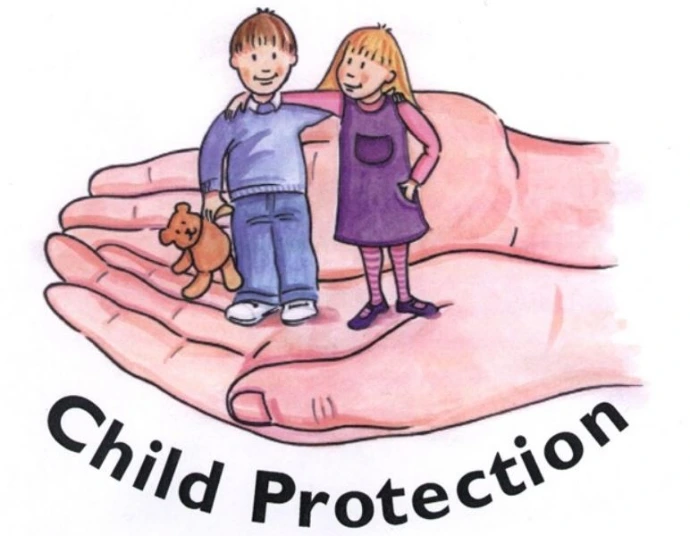
Child protection
Age-appropriate supervised activities, verified staff, visible activity spaces, first-aid readiness and incident-reporting procedures form part of programme delivery.
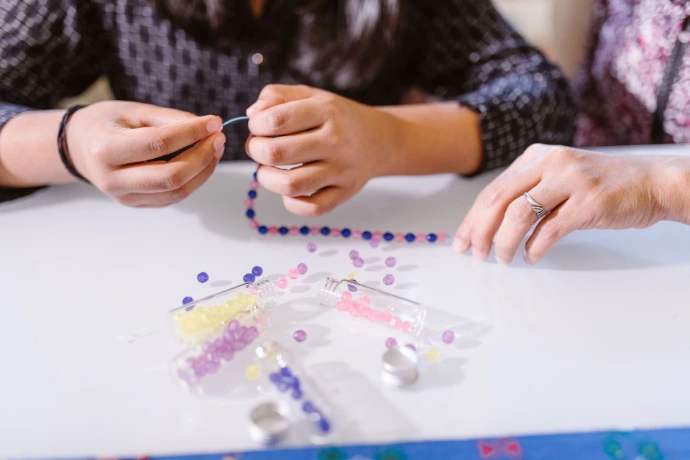
Inclusive participation
Activities can be adapted with larger materials, partner support, shorter turns or seated alternatives. No child is publicly ranked or excluded.
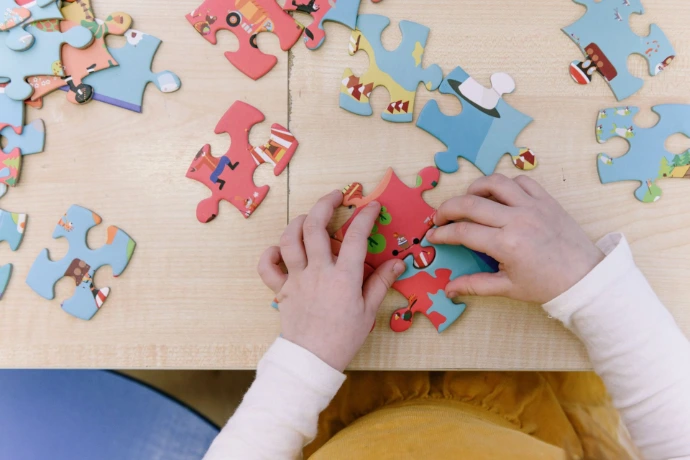
Screening, not diagnosis
Structured observation may help identify children who could benefit from further assessment. Diagnosis is the responsibility of appropriately qualified professionals.
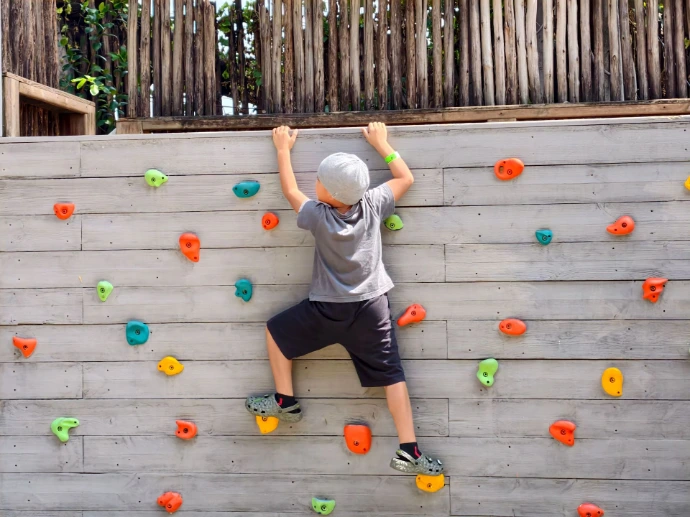
Consent & confidentiality
Parent/guardian consent and child assent are required for relevant assessments and research activities. Information is handled confidentially and reported in aggregate.
Designed for thoughtful implementation
A measured path from school readiness to learning
Weeks 1–4
Plan & approve
School selection, approvals, MoU, ethics process and parent information.
Weeks 5–14
Prepare & train
Curriculum, activity kits, staff recruitment, five-day training and baseline.
Months 4–9
Deliver & observe
Three weekly sessions, brain breaks, monthly observation and midline review.
Months 10–12
Evaluate & improve
Endline, analysis, reporting, programme refinement and scale planning.
Months 12 Onwards
Sustain & partner
Establish continued school partnerships, integrate BlooMinds into the annual school calendar, support ongoing staff development, monitor progress and plan expansion to additional grades and campuses.
BlooMinds is a developmental, educational and psychosocial support programme. Participation does not constitute a clinical diagnosis or replace an individual professional assessment.
Let’s build stronger foundations
Bring BlooMinds to your school.
For school partnerships, programme discussions and institutional collaborations, connect with us.